Selecting an industrial equipment distributor affects far more than the purchase price. Lifting equipment must fit the load, building, workflow and local operating requirements. A capable partner should therefore help define the application, identify missing information and turn the agreed scope into equipment that can be installed, inspected and maintained.
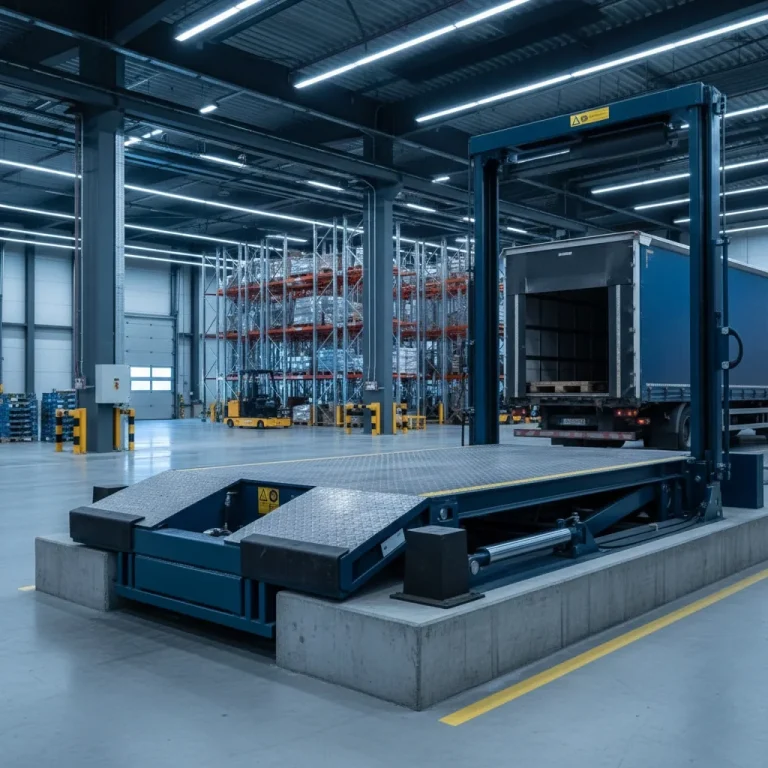
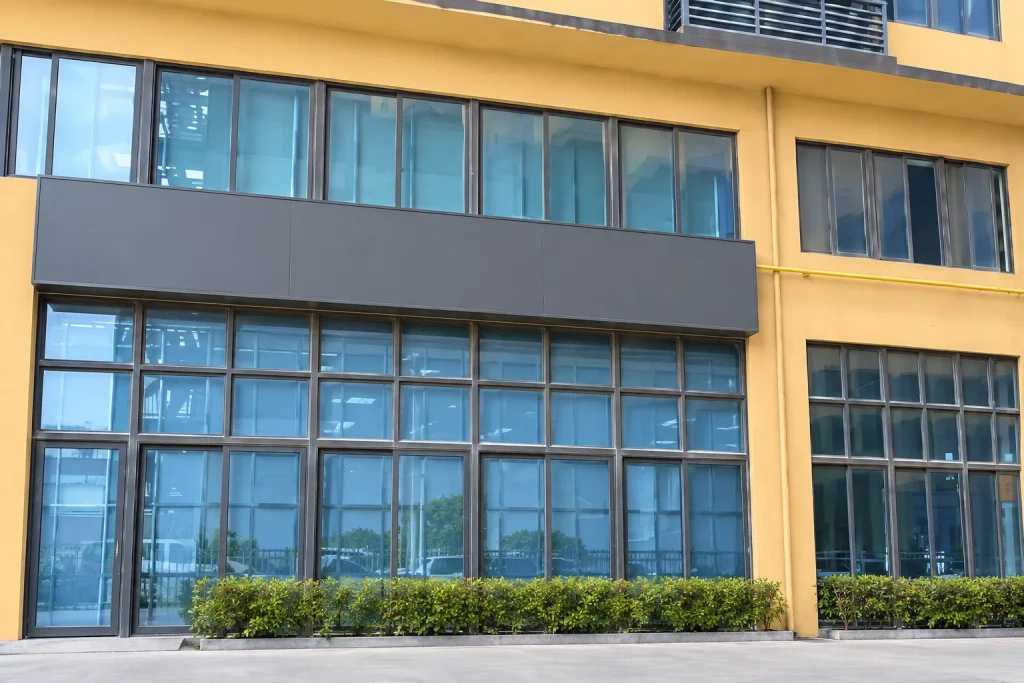
The featured image shows an industrial facility rather than a finished machine. That is a useful reminder: buildings, engineering resources, documentation and service processes matter because the relationship continues after the equipment leaves the factory.
Look for application knowledge before a quotation
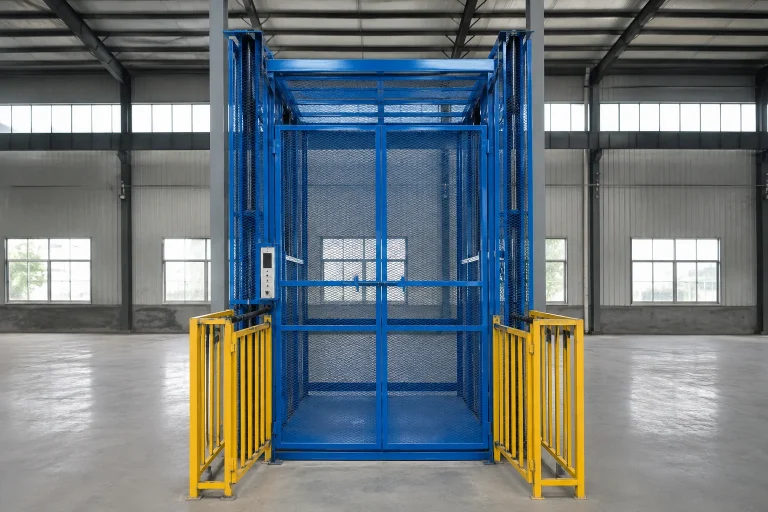
A credible distributor starts with questions. What is being lifted? How is the load placed on the platform? What travel height, closed height and platform size are required? How often will the equipment operate? Will it be installed indoors, outdoors, in a pit or between floors?
A quotation produced without these basics may look attractive but leave major items undefined. Strong technical communication is often visible early: the supplier explains assumptions, flags conflicts and asks for drawings or site photos when the information is incomplete.
Evaluate evidence that matches your project
Company age and factory size provide context, but they do not replace relevant evidence. Ask for examples of equipment with a similar mechanism, capacity and installation arrangement. Review photographs, drawings or test records that can be shared legitimately. For a custom project, confirm who is responsible for design review and how changes are controlled.
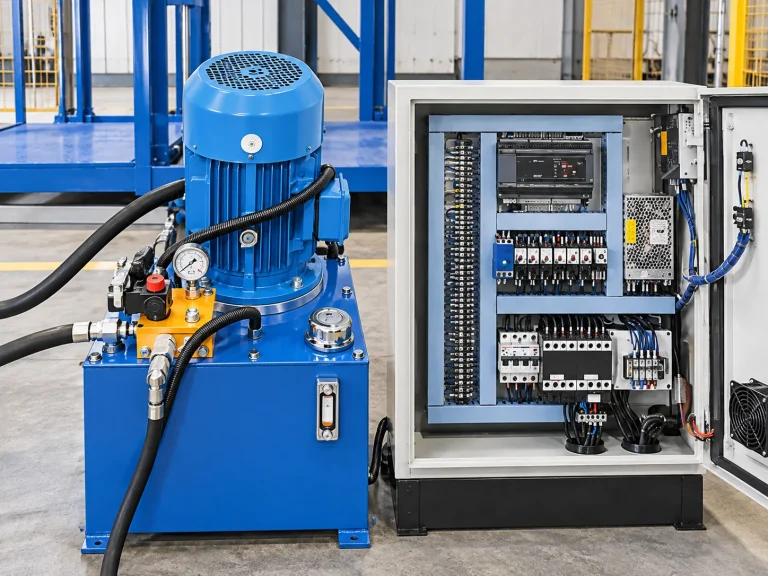
- Does the distributor understand hydraulic, structural and electrical parts of the system?
- Can the team explain why a proposed mechanism suits the application?
- Are drawings and specifications prepared before production?
- Can optional safeguards and their purpose be described clearly?
- Is there a defined process for factory inspection, packing and shipment?
Compare quotations on the same scope
Two prices are comparable only when both include the same capacity, dimensions, travel, finish, power supply, controls, gates, sensors, documentation, packing and delivery terms. Create a simple comparison sheet and mark every exclusion or assumption. This prevents a low initial price from becoming expensive after civil work, electrical interfaces or safety accessories are added.
For international purchases, also confirm the trade term, destination, packaging method, estimated production period and documents supplied with the shipment. Currency, payment stages and quotation validity should be written explicitly.
Review drawings and responsibilities before production
A general arrangement drawing should show the platform, travel, overall dimensions, fixing points, pit or shaft, access direction, gates and main service clearances. The buyer should confirm the building information and operating requirement; the supplier should record the agreed machine scope. Where a local installer or integrator is involved, responsibility for unloading, assembly, wiring, commissioning and acceptance must be clear.
Never assume an industrial goods platform is approved for carrying people. The intended use and equipment classification must be stated and checked against the rules in the destination market.
Ask how after-sales support actually works
Useful support includes an identifiable contact, installation guidance, operating and maintenance information, parts identification and a method for diagnosing problems. Time-zone differences make clear labels, wiring diagrams, hydraulic diagrams and photos especially valuable for overseas projects.
Ask which wear or electrical parts should be held locally, how replacement parts are ordered and what information the service team needs when a fault is reported. A distributor who plans for maintenance helps reduce avoidable downtime.
Ten questions for a potential distributor
- What application information do you need before selecting a model?
- Which parts of the proposed design are standard and which are customized?
- What load assumptions and operating frequency are used?
- Which safety options are included and which require site coordination?
- What drawings will be submitted for approval?
- How will the equipment be inspected before shipment?
- What installation work is expected from the buyer?
- Which manuals, diagrams and parts lists are supplied?
- How are technical questions and spare-parts requests handled after delivery?
- What is excluded from the quotation?
Prepare a better request for quotation
Include load weight and dimensions, loading method, travel height, platform size, available space, cycle frequency, installation location, temperature or moisture conditions, power supply, destination country and photos or drawings. When the application is non-standard, a short video of the current workflow can help the engineering team understand how goods approach and leave the platform.
Need a technical review for a lifting project? Share your application details with Hongli. We will use them to clarify the scope before preparing a proposal.